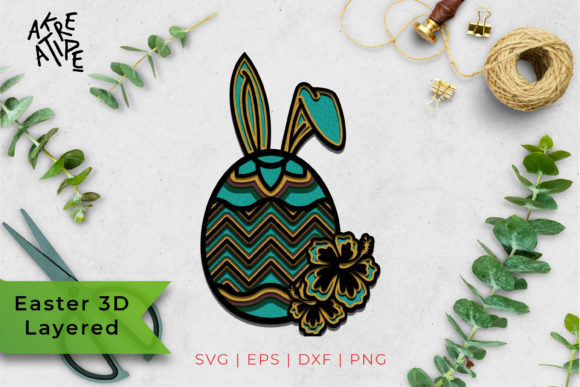
3D Layered Easter
As an embroidery designer with years of experience, I always start by looking at a design’s potential before jumping into the technical details. 3D Layered Easter caught my attention not just for its visual appeal, but for how it could translate into real-world projects. Whether you're working on custom apparel, holiday gifts, or small shop merchandise, this design offers a unique opportunity to create something that feels both handmade and professional.
The First Impression
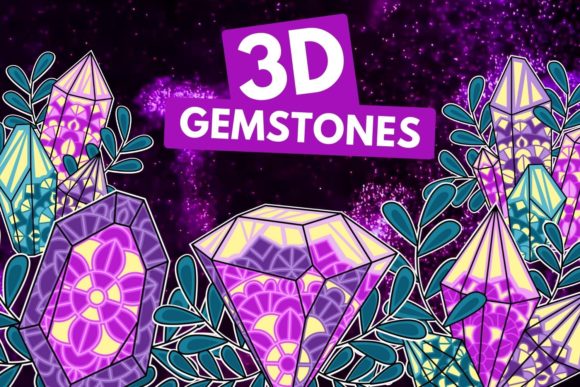
From the moment I saw 3D Layered Easter, it felt like a design that could bring a sense of celebration to any project. The layered shapes and soft color palette give it a whimsical, almost tactile quality. It’s not just a flat image—it has depth, which makes it stand out from typical 2D embroidery designs. This makes it perfect for items like tote bags, pillow covers, or even baby onesies where visual interest matters.
The layout is clean and balanced, with enough detail to be engaging without overwhelming the eye. It’s clear that the designer considered how each layer would interact when stitched, which is crucial for achieving that 3D effect. The theme is clearly Easter-related, but the design isn’t too specific—this gives it flexibility for use beyond just traditional holiday items.
Real-World Embroidery Use Cases
When I think about where 3D Layered Easter would shine, I imagine it on custom apparel like sweatshirts or t-shirts. The design’s size and structure make it ideal for medium-sized hoops, which is great for most home embroidery machines. It also works well as an embroidered patch, especially if you’re making personalized gifts or promotional items for a craft business.
One of the best uses for this design is in holiday gifts. Whether it’s a hand-stitched pillow for Easter morning or a custom apron for a family member, 3D Layered Easter adds a touch of elegance that’s hard to replicate with simpler designs. It also pairs well with other seasonal elements, making it a versatile addition to your design library.
For small shop owners or Etsy sellers, this design could be a valuable asset. It’s visually appealing, easy to customize, and can be adapted to different fabric types. The ability to change colors means you can offer multiple versions without needing separate files, which is a big plus for digital product sellers.
Where to Be Careful
While 3D Layered Easter is a strong design, there are a few areas where it might require extra attention. If you’re working with small hoop sizes, you may need to adjust the design or split it into sections. Thin or stretchy fabrics could also pose challenges, especially around the edges of the layers where stitch density might affect the final look.
Dark fabrics can be tricky with lighter-colored designs, so testing on a sample is essential. Similarly, if you’re planning to use this on curved surfaces like caps or hats, make sure the design doesn’t get distorted during the stitching process. Tiny lettering or intricate details should be double-checked for clarity, especially if you’re using a fill stitch or satin stitch.
Another thing to consider is how the design will hold up after repeated washes. If it’s going to be part of a wearable item, using the right stabilizer and ensuring proper stitch density will help maintain the 3D effect over time.
Impact on Visual Appeal and Customer Trust
3D Layered Easter has the potential to elevate any project it’s used on. Its three-dimensional appearance adds a level of sophistication that can make a handmade product feel more premium. For customers, this kind of design can increase perceived value, making it easier to justify a higher price point or stand out in a crowded market.
When used in commercial embroidery or as part of a printable mockup, this design can help build brand consistency. It’s also a great choice for personalized gifts, as the layered look adds a sense of thoughtfulness that resonates with buyers. Whether it’s a custom tote bag for a client or a holiday-themed pillow for a boutique, 3D Layered Easter can make a lasting impression.
Practical Designer Notes
Before committing to a project, I always recommend testing the design on scrap fabric. This helps you see how the stitches will look on different materials and whether the layers come through as intended. Checking thread color contrast is also important—especially if you’re planning to use this on dark or light backgrounds.
Reviewing the stitch density is another key step. If the design is too dense, it could cause puckering or stiffening on certain fabrics. On the flip side, if it’s too sparse, the 3D effect might not be visible. Hoop size matters too—make sure you have the right space to accommodate the entire design without cropping or distorting it.
Finally, don’t forget to check the licensing terms if you plan to sell finished products or digital files. Even though the description says you can change the colors, it’s always good to confirm what’s allowed before moving forward.
Final Thoughts
3D Layered Easter is a solid choice for anyone looking to add a bit of flair to their embroidery projects. It’s versatile, visually engaging, and adaptable to a wide range of applications. Whether you’re an experienced designer or just starting out, this design offers a great foundation for creating high-quality, customer-pleasing products.
With a little care and attention, 3D Layered Easter can become a staple in your design collection. It’s the kind of file that not only looks good but also performs well in real-world situations—making it a smart investment for any creative entrepreneur or craft business owner.