3D Reindeer: A Designer's Take on Holiday Embroidery
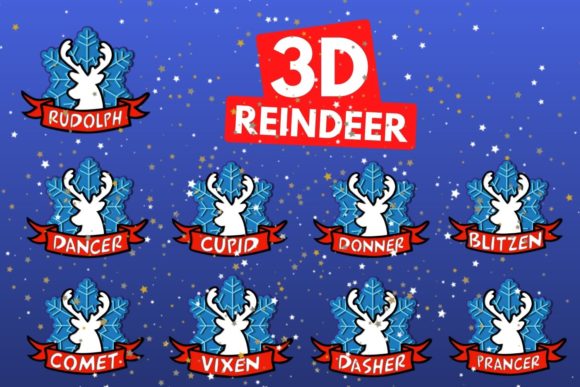
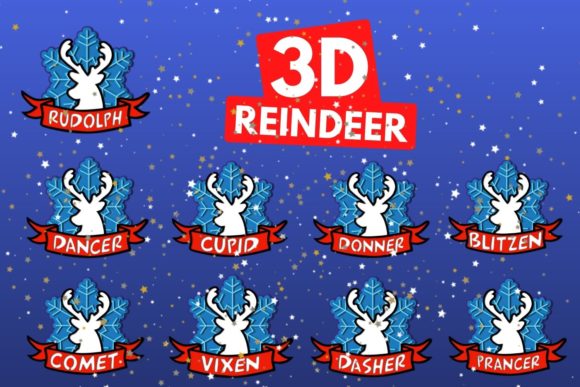
When I first pulled up the 3D Reindeer files on my screen, my immediate reaction wasn't just about the cuteness factor; it was about structural integrity. As someone who spends hours hooping fabric and threading needles, I look at a design differently than a casual browser. I'm looking for potential puckering, density issues, and how the visual weight of the image translates to physical thread. This Christmas themed asset promises a dimensional look, which is always a tricky balance in machine embroidery design. You want depth without creating a cardboard-like stiffness that ruins the drape of a garment.
The mood here is undeniably festive but grounded. It doesn't scream "cartoon" in a childish way; rather, it offers a stylized silhouette that feels modern enough for boutique branding yet traditional enough for family gifts. The layout suggests a strong central focus, ideal for chest logos on sweatshirts or center-stage motifs on tote bags. For an Etsy seller or small shop owner, this kind of versatility is gold. You aren't locked into one niche; you can pivot from baby items to adult apparel depending on your thread color choices.
Putting the Design to the Test: Real World Applications
To truly evaluate this embroidery project, I imagined a specific scenario: a custom order for a local coffee shop wanting holiday merchandise. They needed something that looked professional on heavy canvas tote bags but also worked on softer cotton tees. This is where the 3D SVG nature of the file becomes interesting. While the product description highlights its use in cutting machines like Cricut and Silhouette for vinyl or HTV applications, as an embroiderer, I have to consider how these shapes translate when digitized or if they are being used as templates for appliqué.
If you are using this as a guide for an applique design, the clean lines of the reindeer shape are a major plus. Complex curves can be a nightmare when trying to turn under raw edges or apply satin stitching over them. Here, the flow seems manageable. For a sweatshirt embroidery project, the boldness of the reindeer holds up well against textured fleece. A delicate, thin-line design often gets lost in the nap of a hoodie, but the substantial presence of this reindeer ensures visibility. It creates a finished product that feels substantial and high-value, which directly impacts customer trust and perceived quality.
Consider also the application on a tote bag design. Canvas is unforgiving; it shows every skipped stitch and tension error. The visual personality of the 3D Reindeer, with its implied layering, would work beautifully here using a combination of fill stitch for the body and a crisp satin stitch for the outline. This contrast in texture adds that "3D" feel even without actual foam padding. For holiday embroidery gifts, this textural variety makes the item feel handmade and thoughtful, rather than mass-produced.
Navigating Fabric Challenges and Technical Details
However, enthusiasm must be tempered with technical caution. Not every fabric plays nice with every design. If you are planning to stitch this onto a stretchy jersey knit for baby embroidery, you need to be extremely careful. The density of the design—if you are converting this SVG concept into a dense embroidery file—could cause the fabric to pucker or warp. In these cases, a lighter touch is required. You might need to reduce the stitch density or opt for a running stitch outline rather than a solid fill to maintain the fabric's stretch.
Dark fabrics present another consideration. The silhouette of the reindeer is strong, but if you are stitching dark thread on dark fabric, you lose all definition. Conversely, bright metallic threads on a black background can create a stunning, high-end look suitable for evening wear or luxury packaging. Always test your thread colors against the fabric texture before committing to the final run. A printable mockup can help visualize this, but nothing beats a physical stitch-out on scrap material.
Curved surfaces, like caps, require special attention. Placing a design of this magnitude on the front panel of a baseball cap can be tricky. If the design is too wide, it will wrap around the curve and distort. You must confirm the hoop size compatibility with your machine's cap frame. If the design exceeds the available area, you may need to scale it down, which risks losing the finer details of the antlers or facial features. Always inspect small details closely when resizing; what looks clear on a monitor can become a muddy blob of thread at a smaller scale.
Commercial Viability and Brand Consistency
For commercial embroidery professionals, consistency is key. If you are producing a run of fifty aprons for a bakery, every single reindeer needs to look identical. The clarity of the source file matters immensely here. Since the download includes SVG, DXF, PNG, and EPS formats, you have flexibility in how you prepare the artwork for digitization or cutting. However, remember that an SVG is a vector cut file, not necessarily a pre-digitized embroidery file (like PES or DST). Unless specified otherwise, you likely need to digitize this design yourself or hire a digitizer to convert these vectors into machine-readable stitches. This step is crucial for controlling stitch density and underlay settings.
Using this design as a design asset for a broader brand strategy works well because it is recognizable. It builds brand recognition when customers see that specific reindeer shape across different products—from kitchen towels to nursery decor. It signals a cohesive holiday collection. For digital product sellers, offering this as part of a bundle for crafters who own their own machines adds value to your shop. Just ensure you clearly communicate the intended use: is it for cutting vinyl, or is it a template for embroidery?
Final Verdict and Practical Recommendations
Before you launch your next craft business venture with the 3D Reindeer, take these practical steps. First, always test the design on scrap fabric that matches your final material. Check how the stabilizer interacts with the fabric; a heavy design might need a cut-away stabilizer rather than tear-away to prevent sagging over time. Second, review the licensing terms carefully. The product description mentions usage with various cutting software, but commercial rights for selling finished physical goods versus digital files can differ. Confirm whether you can sell the embroidered patch or the personalized gift made from this design.
Pay attention to the corners and tight turns in the antler details. These are common failure points where threads can break or bunch up. If you are digitizing this yourself, pay extra attention to the connection points between color blocks. Finally, think about the end user. Will this item be washed frequently? If so, ensure your stitching is secure enough to withstand laundering without fraying. A beautiful handmade product loses its charm if it falls apart after one wash.
In conclusion, the 3D Reindeer offers a solid foundation for a variety of creative projects. Its strength lies in its adaptable silhouette and festive appeal. Whether you are decorating a custom apparel line or creating a one-off personalized gift, the key to success lies in respecting the materials and understanding the technical requirements of translating a vector concept into a tactile, stitched reality. With the right preparation and attention to detail, this design can elevate your holiday offerings and delight your customers.