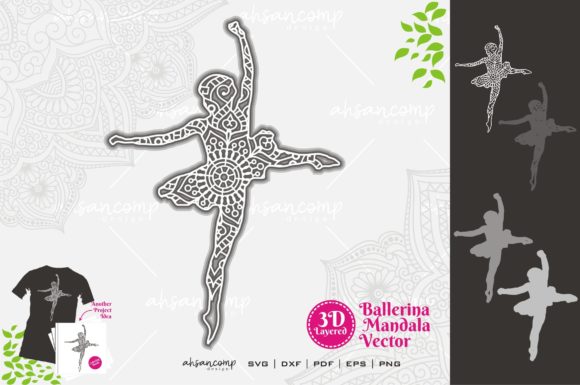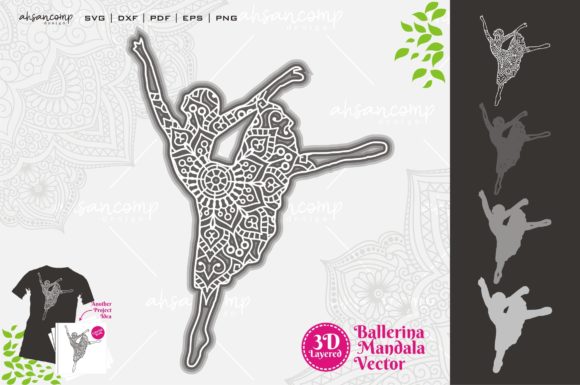
Ballerina Mandala SVG 3D Layered 1 for Shadow Boxes
When a client approaches me with a vision for a boutique dance studio launch or a handmade gift line targeting young artists, the pressure is on to deliver visuals that feel both whimsical and professional. Recently, while scouting assets for a seasonal campaign centered around grace and movement, I took a close look at the Ballerina Mandala SVG 3D Layered 1. As a designer who constantly balances artistic flair with commercial viability, my first impression was immediate: this graphic design asset carries a delicate, ethereal mood that is hard to replicate from scratch without hours of vector work.
The visual elements here are intricate. The mandala structure provides a sense of symmetry and balance, while the ballerina silhouette injects a narrative of performance and elegance. For a project requiring a modern design touch with a classic twist, this illustration fits perfectly. It naturally aligns with clients in the handmade business sector, particularly those selling via Etsy or running small business branding efforts for dance academies, yoga studios, or children's boutiques.
Evaluating Versatility in Real Client Projects
In the context of real-world application, the utility of a 3D SVG file extends far beyond simple decoration. I tested this asset mentally against several upcoming deliverables. For logo design, it offers a strong central emblem, though it requires careful simplification to ensure scalability. However, its true strength shines in packaging design and product labels. Imagine a line of lavender-scented candles or artisanal soaps; layering this mandala onto the lid or label creates an instant premium feel.
For marketers and content creators, this digital product is a goldmine for social media graphics. It works exceptionally well as a hero graphic for Instagram posts or Pinterest pins, where the detailed lines catch the eye during a scroll. If you are building a Canva template for a dance recital invitation or a workshop flyer, this element serves as a stunning decorative accent. Furthermore, for those in the print-on-demand space, the layered nature of the file allows for creative sublimation design on mugs, tote bags, and t-shirt design projects. The ability to separate layers means you can create depth in a product mockup without needing complex shading techniques.
Ideal Applications and Layout Strategies
This asset performs best when given room to breathe. It is ideal for large layout areas where the fine details of the mandala can be appreciated. In editorial design, such as a magazine spread about the arts, placing this illustration as a watermark or a section divider adds sophistication. For Shadow Boxes—a popular trend in the crafting community—the layered structure of this file is purpose-built. It allows crafters to cut multiple tiers of cardstock to create physical depth, making it a perfect fit for Cricut projects and Silhouette users looking to sell high-value handmade items.
However, professional judgment dictates knowing where not to use it. This is not an asset for minimalist corporate branding or projects requiring a very clean visual hierarchy with tiny text. In crowded layouts or low-contrast designs, the intricate lines of the mandala can become muddy, reducing readability and visual trust. If your client needs a logo that must work at 16x16 pixels for a favicon, this level of detail is too complex. Similarly, avoid using it on busy backgrounds; it demands negative space to maintain its emotional appeal and recognition factor.
Impact on Brand Identity and Audience Engagement
The psychological impact of this graphic cannot be overstated. It evokes feelings of discipline, beauty, and creativity. When used correctly in brand identity packages, it enhances the overall impression of a design project, signaling to the audience that the brand values artistry and attention to detail. For a dance school, it reinforces the core offering visually. For a lifestyle blogger, it adds a touch of feminine elegance to web design elements.
Consistency is key. If you choose to incorporate Ballerina Mandala SVG 3D Layered 1 into a marketing campaign, ensure it complements your typography. It pairs beautifully with script fonts and handwritten font styles that mimic the flow of movement, but it can also ground a layout when paired with a clean sans serif font. The goal is to ensure the illustration supports the message rather than overpowering it.
Practical Designer Notes and Technical Checks
Before committing this asset to a final client deliverable, there are several critical steps I always take. First, test it in black and white. A strong design should hold up without color reliance. Check the contrast on both light and dark backgrounds to ensure the lines remain distinct. Preview the file at various sizes; what looks crisp on a desktop monitor might blur when printed on a small sticker design.
Since this is a digital download, remember that no physical items will be sent. You are working with files that need inspection. Review the file formats provided. If PNGs are included, inspect the transparency to ensure there are no unwanted white halos around the edges. For the SVG files, open them in your preferred vector editor to confirm editability. Can you ungroup the layers? Is the path clean? This is crucial for preparing files for cutting machines or adjusting stroke weights for print.
Finally, always compare the illustration against your chosen typography. Does a display font clash with the ornate nature of the mandala, or does it create a harmonious balance? And most importantly, confirm the commercial license. Whether you are creating an Etsy product, a client brochure, or a large-scale ad campaign, understanding the usage rights is non-negotiable for professional integrity.
In conclusion, Ballerina Mandala SVG 3D Layered 1 is a potent tool in the creative marketplace. It bridges the gap between digital precision and handmade charm. For designers willing to apply it with strategic intent, it elevates standard marketing visuals into memorable brand experiences. Just remember to respect its complexity, give it space, and always validate its technical readiness before hitting send on that final proof.