Review: 3D SVG Heart Shapes for Craft Projects
When a client approaches me with a request for a tactile, handmade aesthetic for their upcoming Valentine's Day campaign, my first instinct is to look beyond flat digital illustrations. They needed something that felt authentic, something that conveyed the warmth of human effort rather than the sterility of a generated image. That is when I pulled up the 3D Heart Papercraft SVG Free Template. As a designer who constantly balances artistic vision with practical production constraints, I approach every new graphic design asset with a critical eye. This isn't just about whether it looks pretty on a screen; it is about whether it holds up under the scrutiny of a real-world commercial design project.
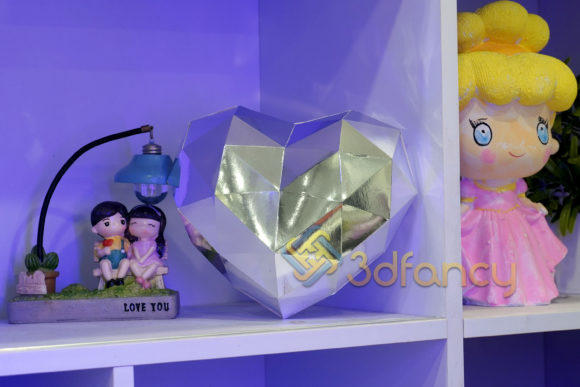
The first impression of this template is its structural integrity. Unlike many freebies found in the creative marketplace that often lack precision, this file demonstrates a clear understanding of how paper behaves. The visual mood it creates is one of delicate craftsmanship and romantic nostalgia. It fits perfectly into the current trend where small business branding leans heavily into the "handmade" narrative. For a boutique chocolate shop or an artisanal soap maker, using this 3D SVG element can instantly elevate their packaging from generic to gift-worthy. It represents a style that is soft, inviting, and deeply personal, which is exactly what modern consumers are craving in a saturated market.
Integrating Tactile Elements into Digital and Physical Branding
In terms of versatility, this asset performs surprisingly well across different mediums. While its primary function is obviously for physical construction, the underlying vector data makes it a powerful tool for logo design and brand identity systems. I tested the silhouette in various marketing visuals, from social media graphics to email headers. Because the lines are clean and the geometry is sound, it scales beautifully. Whether used as a hero graphic on a landing page or a subtle watermark on an invoice, the shape maintains its clarity.
For Cricut users and those involved in print-on-demand selling, the compatibility is a major win. The file works seamlessly with major cutting software, eliminating the frustrating step of manually tracing bitmaps. I can easily imagine this being adapted for a sticker design line, where the layered effect of the papercraft is simulated through printed shadows and highlights. Furthermore, for Etsy product listings, using a high-quality render of this assembled heart as a product mockup background adds immediate context and texture to digital downloads, helping customers visualize the end result.
However, a professional designer knows that not every asset belongs in every layout. This specific Shapes category item thrives in large layout areas and decorative accents. It is ideal for themed collections, such as wedding invitation suites or seasonal campaign visuals where the heart serves as the focal point. The intricate folds and layers add depth that flat colors cannot achieve. In packaging design, this template shines when applied to box lids or bag tags, turning a simple container into an experiential unboxing moment.
Critical Considerations for Professional Application
Despite its strengths, there are scenarios where caution is required. I would advise against using this detailed illustration in very small sizes, such as favicons or tiny footer icons. The complexity of the papercraft folds can turn into visual noise when shrunk down, destroying the visual hierarchy of the page. Similarly, in crowded layouts or low-contrast designs, the subtle shading inherent in the 3D effect might get lost. It is also not suitable for minimalist corporate branding or projects requiring a strictly flat, two-dimensional aesthetic. If your client needs a sleek, tech-forward look, this organic, textured heart might feel out of place.
Readability and brand consistency are paramount. When incorporating this asset, ensure it does not compete with primary typography. The emotional appeal of the heart is strong, so it should support the message, not overpower it. In editorial design or blog visuals, use it to break up text or highlight pull quotes, but keep the surrounding elements clean to maintain professionalism. The goal is to enhance audience engagement and visual trust, not to create a chaotic composition.
Practical Designer Notes and Production Specs
Before handing this off to a client or uploading it to a store, I always run a series of technical checks. First, test the design in black and white. A good SVG design should hold its form even without color reliance. Next, check the contrast on both light and dark backgrounds to ensure the edges remain defined. Preview the asset at various sizes to confirm that the cut lines remain distinct and do not merge.
For those moving to physical production, the material specifications are crucial. Based on the file structure, you will need a reliable printer and high-quality A4 card stock, ideally between 250gsm and 300gsm. Anything lighter may not hold the 3D structure, while anything heavier might be difficult to fold cleanly. Ensure your print scale is set to 100% to maintain the intended proportions of the tabs and slots. Assembly requires precision; a good craft glue or 3M adhesive is essential for a seamless finish without visible residue.
It is also wise to compare this asset against your existing font choices. Does it pair better with a flowing script font for a romantic vibe, or a bold sans-serif for a modern contrast? Understanding these relationships helps in creating a cohesive design bundle. Finally, always review the licensing terms. Even if labeled as free, confirm the commercial license details before using it for a paid client project or an Etsy product intended for resale. Ensuring you have the right to use the PNG design or vector files commercially protects both you and your client from legal issues.
In conclusion, the 3D Heart Papercraft SVG Free Template is a robust tool for designers looking to inject warmth and dimensionality into their work. It bridges the gap between digital convenience and physical artistry. When used with intention and technical care, it transforms standard creative design tasks into memorable brand experiences. Whether you are crafting a t-shirt design, assembling a Canva template for a workshop, or building a comprehensive brand identity, this asset offers the structural reliability and aesthetic charm needed to make a lasting impression.