Swan 3d Layered: A Designer's Review for Real Projects
When I first opened the files for Swan 3d Layered, my immediate reaction wasn't just about the aesthetic; it was about the structural potential. As a designer who spends hours tweaking stitch paths and worrying about fabric tension, I look for graphics that offer more than just a pretty picture. I look for depth, versatility, and that specific "pop" that turns a standard embroidered item into a boutique-quality piece. This design, categorized under Crafts and Graphics, immediately struck me as a strong candidate for layered applications, whether you are working with thread, vinyl, or mixed media.
The Visual Personality and First Impressions
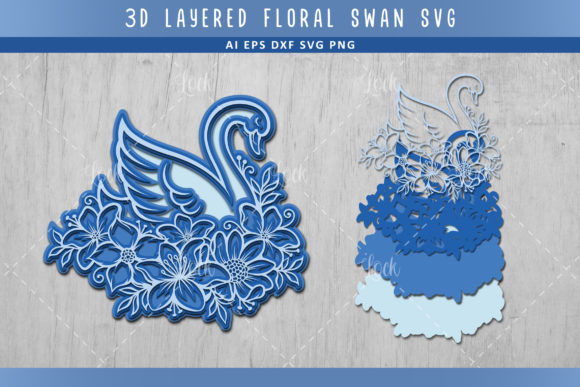
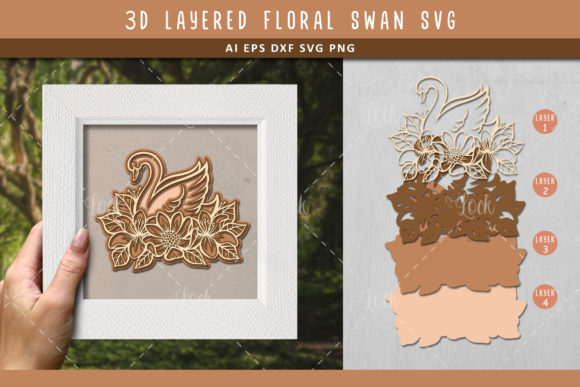
The silhouette of a swan is classic, often bordering on cliché if not executed with care. However, the "3d Layered" aspect of this file changes the game. The layout suggests a deliberate separation of elements, which is crucial for creating dimension. In a flat machine embroidery design, you rely entirely on stitch types like satin stitch borders and fill stitch interiors to create the illusion of depth. With a layered graphic like this, you have the option to physically build that depth.
The mood here is elegant and serene. It feels at home in nursery decor, wedding gifts, or high-end home goods. The lines appear clean, which is a good sign for stitching clarity. When you are dealing with curved lines like a swan's neck, jagged edges or poor digitizing can ruin the flow. My initial assessment is that the shape holds up well, offering a sophisticated visual personality that elevates the perceived value of any handmade product it adorns.
Real-World Application: The Custom Tote Scenario
To truly test the viability of Swan 3d Layered, I imagined a specific client project: a custom order for a local bridal shower. The client wanted personalized tote bag design options for the bridesmaids. This is where the layered nature of the file shines. Instead of simply stitching the entire swan onto a canvas tote, I would approach this as an applique design opportunity.
Imagine cutting the main body of the swan from a shimmering satin or a textured linen using a laser cutter or a Cricut, then placing it over a contrasting background fabric on the tote. You could then use a tight satin stitch to secure the edges. This method reduces the stitch density on the bag itself, preventing the fabric from puckering—a common issue with large fill areas on flexible materials like canvas. The result is a crisp, professional finish that looks like it came from a high-end department store rather than a home hobby room. For an Etsy seller, this kind of attention to detail justifies a higher price point and builds customer trust.
Versatility Across Products and Materials
One of the strongest selling points mentioned in the description is the ability to resize without losing quality. This is vital for a digital embroidery file intended for various uses. I can see Swan 3d Layered working beautifully across a wide spectrum of items:
- Sweatshirt embroidery: On fleece or French terry, the layered look adds texture that complements the cozy feel of the garment.
- Baby embroidery: Simplified layers work well on onesies, provided the stitch count isn't too high for delicate skin.
- Embroidered patch: This design is perfect for creating iron-on or sew-on patches. You can stitch it on twill, cut it out, and merrow the edge for a rugged yet refined look.
- Holiday embroidery: Swap the thread colors to white and silver for winter themes, or pastels for spring.
- Commercial embroidery: For spa uniforms or boutique branding, the clean lines offer a professional logo-like quality.
The fact that this graphic works for hand or machine cutting with materials like paper, vinyl, and wood expands its utility beyond just thread. You could create a mixed-media wall hanging where the swan is laser-cut wood layered over embroidered fabric. This cross-category flexibility makes it a valuable asset for creative entrepreneurs looking to diversify their design assets.
Technical Considerations and Fabric Challenges
While the design is promising, a responsible reviewer must highlight where caution is needed. Not every fabric plays nice with complex layers. If you are attempting Swan 3d Layered on a stretchy fabric like a jersey knit t-shirt, you must be vigilant. The weight of multiple layers or dense stitching can cause the garment to warp.
Here are specific scenarios where you need to proceed carefully:
- Small hoop sizes: If the design is large, you might be tempted to resize it down significantly. Be careful not to shrink it so much that the small details merge together. Tiny gaps between layers can fill in with thread if the scale is too small.
- Textured fabrics: On towels or waffle weaves, the underlying texture can interfere with the crispness of the layers. A heavier stabilizer is non-negotiable here.
- Dark fabric: If your thread colors aren't vibrant enough, the design might get lost. Always test your thread colors against the background. Sometimes, adding a light underlay or a white applique base helps the colors pop on black or navy garments.
- Curved surfaces: Stitching this on a cap requires experience. The curvature of the front panel can distort the perspective of the swan. Ensure the centering is perfect, as any tilt will be obvious on such a symmetrical subject.
Enhancing Brand Value and Professionalism
In the world of online sales, presentation is everything. A generic design can make your shop look amateur, but a well-executed, layered design signals professionalism. Using Swan 3d Layered effectively can enhance your brand consistency. If your shop focuses on elegant, nature-inspired goods, this design fits that narrative perfectly.
Furthermore, the visual appeal of a 3D effect increases buyer engagement. When customers scroll through listings, they stop on images that show texture and depth. Creating a printable mockup that highlights the shadow and layering of this design can significantly improve click-through rates. It transforms a simple finished product into a conversation piece, increasing its giftability and recognition.
Practical Notes for the Studio
Before you commit to a full production run or list a new item in your small shop product lineup, follow these practical steps:
- Test on scrap fabric: Never skip the stitch-out. Use the same fabric and stabilizer you plan to use for the final item.
- Check contrast: View your test stitch-out in black and white (or take a photo and desaturate it). This reveals if the layers distinguish themselves clearly without relying on color.
- Review stitch density: If the design feels stiff after stitching, consider reducing the fill density in your software if you have the editable version, or choose a lighter stabilizer.
- Confirm licensing: The description mentions it is great for crafts and cutting, but always verify the specific license terms regarding commercial embroidery. Can you sell the physical item? Can you sell the digital file? Clarify this before investing time.
- Inspect small details: Look closely at the beak and eye areas. These tiny corners need precise tension to avoid bird-nesting or loose threads.
In conclusion, Swan 3d Layered is a versatile and visually striking graphic that offers substantial potential for both hobbyists and business owners. Its strength lies in its adaptability; it transitions smoothly from a simple personalized gift to a complex mixed-media art piece. By respecting the technical limitations of your materials and taking the time to test your setup, you can leverage this design to create stunning, high-value items that stand out in a crowded market. It is a solid addition to any designer's library, provided it is treated with the technical respect it deserves.