Moose 3D Layered SVG: A Designer's Review
As a designer who spends most of my days staring at stitch simulations and managing client expectations, I approach new files with a mix of curiosity and skepticism. When I first pulled up the Moose 3D Layered SVG Cut File, my initial reaction wasn't about the digital crispness of the vector lines, but rather how this specific aesthetic would translate into thread. While the product description highlights its use for Laser Cutting and creating Ornaments, my mind immediately went to texture, depth, and how we can adapt this layered concept for high-end machine embroidery design projects.
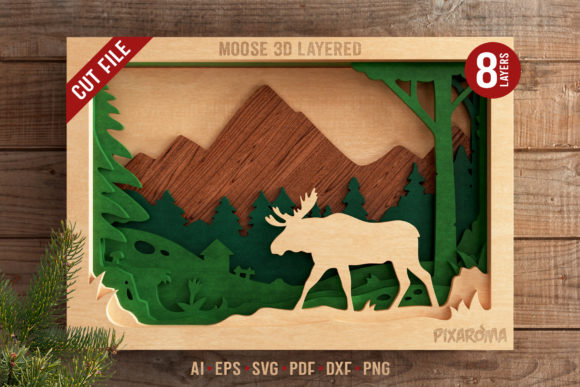
The visual personality of this moose is rugged yet refined. It captures that "wild in your home" vibe perfectly, offering a silhouette that is recognizable without being overly cartoonish. For those of us running a craft business or selling on Etsy, finding designs that bridge the gap between rustic cabin decor and modern boutique style is gold. The eight-layer structure mentioned in the specs suggests a significant amount of depth. In the world of laser cutting, this means physical stacking. In embroidery, however, it challenges us to think about how to create that same illusion of dimension using satin stitch borders, varied fill stitch densities, and perhaps even appliqué techniques.
Visualizing the Stitch-Out: From Vector to Thread
Let's get practical. Imagine you are preparing a custom order for a client who wants a set of matching family sweatshirt embroidery pieces for a winter getaway. They want something unique, not just a standard monogram. This is where the Moose 3D Layered SVG Cut File shines as a conceptual starting point. Even if you are working strictly with an embroidery file derived from this SVG, the layering logic informs your color choices.
In a real-world scenario, I would approach this by treating the layers as different tonal values. Instead of physically stacking fabric like you would with Laser Cutting, you can simulate that 3D effect by using slightly darker shades of green, brown, or slate blue for the background layers and lighter threads for the foreground moose silhouette. This creates a shadow effect that adds professionalism to the finished product. If you are making an embroidered patch, this design offers excellent potential for a raised, textured look if you combine it with foam padding under the satin stitches.
The mood this design creates is cozy and outdoorsy. It feels at home on a tote bag design intended for a farmer's market vendor or as a central motif on a heavy canvas apron for a coffee shop. The clean lines suggest that it would stitch out clearly, provided the stitch density is managed well. One thing I always look for in complex layered designs is how the transitions happen. If the layers are too close together, you risk thread bunching, especially on smaller hoop sizes.
Material Considerations and Fabric Texture
One of the biggest hurdles in adapting a design meant for Ornaments or rigid materials to soft goods is the fabric itself. If you plan to use this motif on a stretchy jersey knit for baby embroidery, you need to be extremely careful. The detailed corners of a moose antler can easily distort if the fabric pulls during stitching. In this case, a cut-away stabilizer is non-negotiable. You want the design to hold its shape wash after wash.
Conversely, if you are applying this to a structured item like a cap or a thick wool blanket, the fabric texture works in your favor. The rougher texture of wool or canvas can hide minor imperfections in registration between layers, whereas a smooth polyester performance shirt will show every slight misalignment. For holiday embroidery gifts, such as pillow covers or tea towels, linen blends are a popular choice. Just remember that linen has a loose weave; you might need to adjust your pull compensation settings to prevent the stars or small details in the background layers from sinking into the fabric.
I also recommend testing this design on dark fabric backgrounds. The description mentions it puts a "little bit of the wild" in your home, which often implies earth tones. However, seeing how the layers pop against a navy or charcoal background is crucial for commercial embroidery clients who have specific brand colors. A quick test run on scrap fabric in black and white can reveal if the contrast between the layers is sufficient before you commit to expensive metallic or variegated thread colors.
Commercial Viability and Brand Consistency
For Etsy sellers and handmade shop owners, the perceived value of a product often comes down to the complexity of the design. A multi-layered moose suggests effort and artistry. When a customer sees a personalized gift with this level of detail, they perceive it as a premium item, allowing you to price your small shop product higher than a simple one-color outline.
However, consistency is key. If you are using the Moose 3D Layered SVG Cut File as part of a larger collection of design assets, ensure that the style matches your other offerings. If your brand is known for whimsical, cartoonish animals, this realistic, layered approach might feel out of place unless you are intentionally expanding your catalog. On the flip side, if you specialize in rustic, lodge-style decor, this is a perfect fit. It works beautifully for wedding gifts for couples who love the outdoors, or as a signature logo for a local hiking guide service.
When creating printable mockups for your online store, this design photographs exceptionally well because of its inherent depth. The shadows created by the layers (or the simulated shadows in embroidery) add dimension to flat-lay photos, making your custom apparel listings stand out in a crowded marketplace.
Practical Notes for the Studio
Before you start stitching on a client's garment, here are a few observations based on the nature of this file:
- Check the Licensing: Since this is marketed as an SVG for Laser Cutting and ornaments, verify the license terms before selling finished embroidered items. Some creators restrict commercial use of their vector files when adapted for other mediums.
- Hoop Size Verification: Eight layers can result in a large overall footprint. Confirm that the design fits within your available hoop size without needing excessive re-hooping, which can lead to alignment issues.
- Density Check: If converting this SVG to an embroidery format, pay close attention to the stitch density in the overlapping areas. Too many layers of fill stitch can make the fabric stiff and uncomfortable, particularly on wearables like t-shirts or baby clothes.
- Detail Inspection: Look closely at the tips of the antlers and any small decorative elements. These fine points may need to be simplified or reinforced with a tighter satin stitch border to prevent fraying over time.
- Stabilizer Strategy: For a design with this much visual weight, a combination of tear-away and cut-away stabilizers might be necessary to support the structure without leaving a harsh hand feel.
Ultimately, the Moose 3D Layered SVG Cut File is a versatile asset that transcends its original intent for wall art. With a thoughtful approach to thread selection, stabilizer choice, and fabric pairing, it can become a standout element in your embroidery project portfolio. Whether you are creating a single personalized gift or a run of commercial embroidery for a boutique, the key lies in respecting the design's layered complexity while adapting it to the realities of thread and fabric.